News
お知らせ
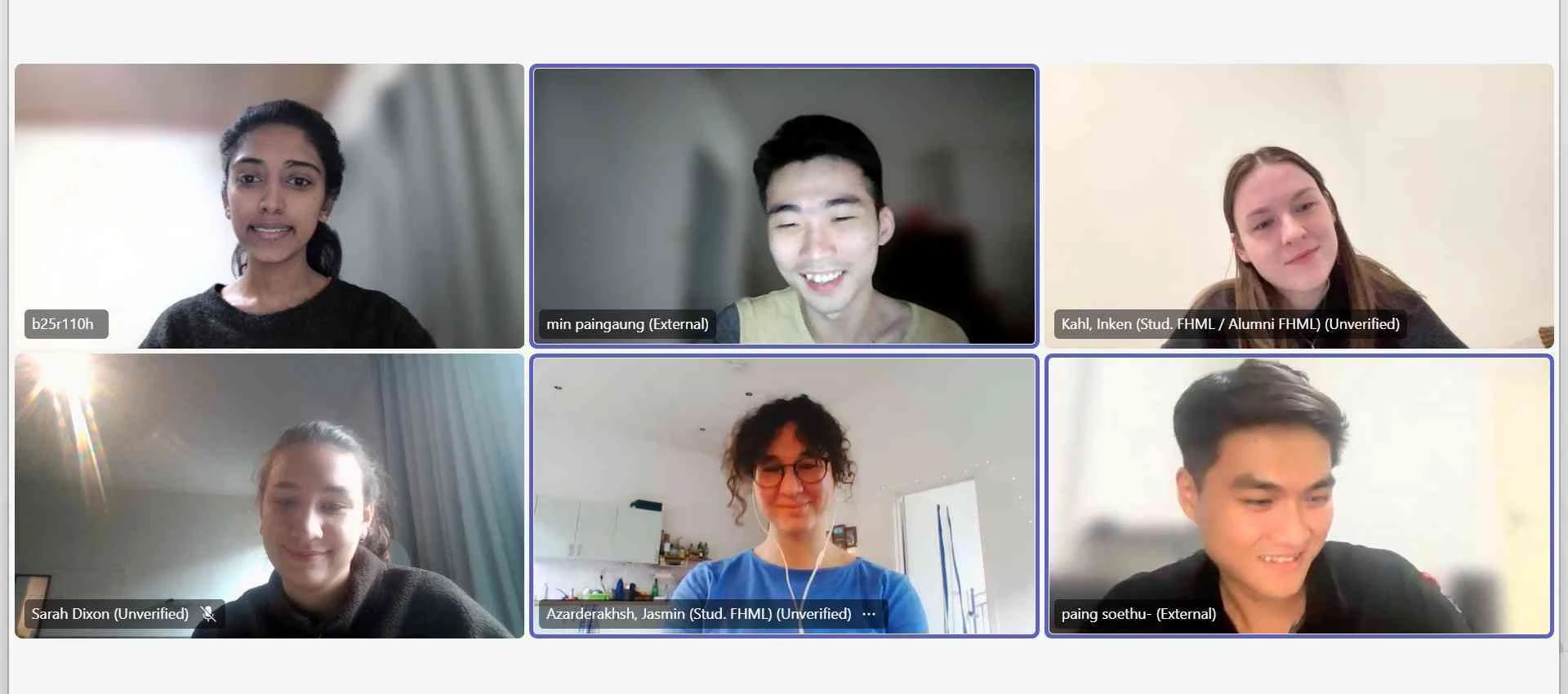
I am Randika Herath, from Sri Lanka. I am currently completing my Master of Health sciences degree at Niigata University. As a graduate student, I took the “Foundations for Global Health” module offered by Maastricht university. I would like to brief my experience on taking the module.
私はスリランカ出身のランディカ・ヘラスと申します。現在、新潟大学にて保健学修士課程を学習中です。大学院生として、マーストリヒト大学が提供する「グローバルヘルス基礎」の科目を受講しました。本科目受講の経験を簡単にご報告いたします。
We engaged in online group meetings and collaborated on assignments with classmates. I had two members from Germany, one from Ireland and two others from Thailand. Having classmates from different countries made the learning experience much richer — not only did I learn about global health issues theoretically, but I also gained firsthand insights into how people from different cultural and social backgrounds think about health, equity, and policy. Working in such a culturally diverse team is one of the most memorable aspects of the course. We sometimes had different perspectives on how to approach problems. These differences didn’t hinder us, on the contrary, they pushed us to question our assumptions, listen to others, compromise, and learn. This process gave me a stronger sense of how global health must be understood not just in terms of universal principles, but in the real context of varied lived experiences, social values, and cultural norms.
オンラインでのグループミーティングに参加し、クラスメートと課題に取り組みました。グループメンバーはドイツ人2名、アイルランド人1名、タイ人2名で構成されていました。異なる国出身のクラスメートと学ぶことで、学習体験は格段に豊かになりました。グローバルヘルス問題を理論的に学ぶだけでなく、様々な文化的・社会的背景を持つ人々が健康、公平性、政策についてどのように考えるかについて、直接的な洞察を得ることができたのです。このような文化的に多様なチームで活動できたことは、このコースで最も印象深い経験の一つです。問題へのアプローチ方法について異なる視点を持つこともありました。こうした違いは障害にはならず、むしろ私たちの前提を問い直し、他者の意見に耳を傾け、妥協し、学ぶきっかけとなりました。このプロセスを通じて、グローバルヘルスを理解するには普遍的な原則だけでなく、多様な実体験・社会的価値観・文化的規範が織りなす現実の文脈が不可欠だと強く認識しました。
During the module, our lectures covered a broad range of topics in global health — from fundamental definitions and dynamics to concrete health-system challenges and policy responses. We learned about how global health is shaped by historical, political, economic and social structures. We also examined the implications of globalization — such as trade, migration, and environmental change. Lectures explored how global health policies are developed: how problems are defined, how priorities are set, and how interventions and health systems are designed and governed to respond — often highlighting inequalities, social determinants of health, and structural factors
本科目では、基礎的な定義や力学から具体的な保健システムの課題や政策対応まで、グローバルヘルスの幅広いトピックを講義で学びました。歴史的・政治的・経済的・社会的構造がグローバルヘルスをどう形成するかを理解し、 また、貿易・移民・環境変化といったグローバル化の影響も検証しました。講義では、問題の定義方法、優先順位の設定方法、介入策や保健システムの設計・運営方法といったグローバルヘルス政策の策定プロセスを探求し、不平等、健康の社会的決定要因、構造的要因がしばしば浮き彫りにされることを強調しました。
On a personal and academic level, I gained much more than textbook knowledge. Practically speaking, I developed critical-thinking and policy-analysis skills: questioning assumptions, analysing how health problems are framed, and considering equity. Also, working in a multicultural group improved my communication, collaboration, and cultural sensitivity — skills that I believe will be valuable in any future global health or research work.
個人的・学術的なレベルでは、教科書知識以上のものを得ました。実際には、前提への疑問、健康問題の枠組み分析、公平性の考慮といった批判的思考と政策分析スキルを養いました。また、多文化グループでの活動は、コミュニケーション力、協働力、文化的感受性を向上させました。これらは将来のグローバルヘルスや研究活動において必ず役立つと確信しています。
In conclusion, the global health module was a meaningful journey. It offered not only theoretical frameworks to analyse health and policy but also hands-on experience collaborating across cultures. It challenged how I think about health, equity, policy, and global responsibility. I believe experiences like this are essential for anyone aiming to work in health, research, or policy in a way that respects diversity and promotes fairness.
結論として、グローバルヘルスの科目は意義のある道のりでした。健康と政策を分析する理論的枠組みだけでなく、異文化間協働の実践的経験も提供してくれました。また、健康、公平性、政策、グローバルな責任についての私の考え方に挑戦を突きつけました。多様性を尊重し公平性を促進する形で、健康・研究・政策分野で働くことを目指す者にとって、このような経験は不可欠だと確信しています。